Central Venoplasty
Central Venoplasty is a minimally invasive procedure used to treat narrowing or blockage of major central veins, helping restore normal blood flow and relieve symptoms such as swelling and venous congestion. This article explains the indications, technique, benefits, and clinical applications of central venoplasty in modern interventional radiology.
Dr Abhishek Bairy
2/10/20262 min read
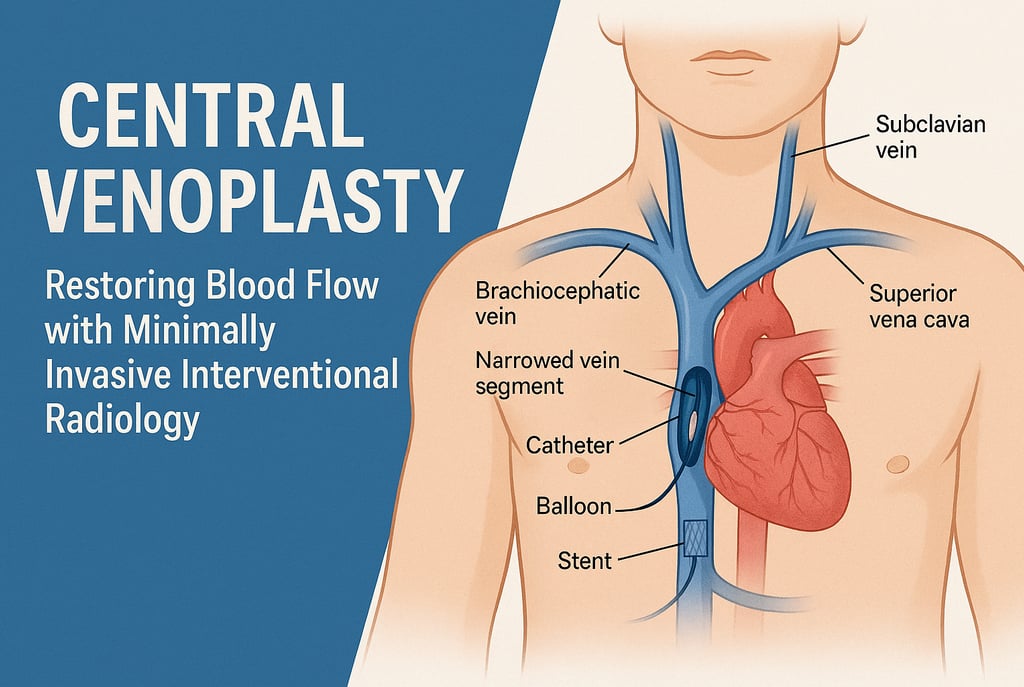
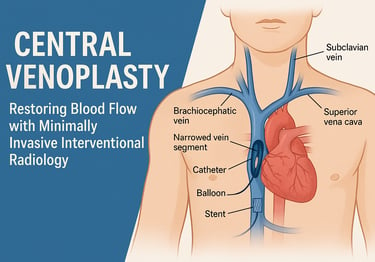
Central Venoplasty
Restoring Blood Flow with Minimally Invasive Interventional Radiology
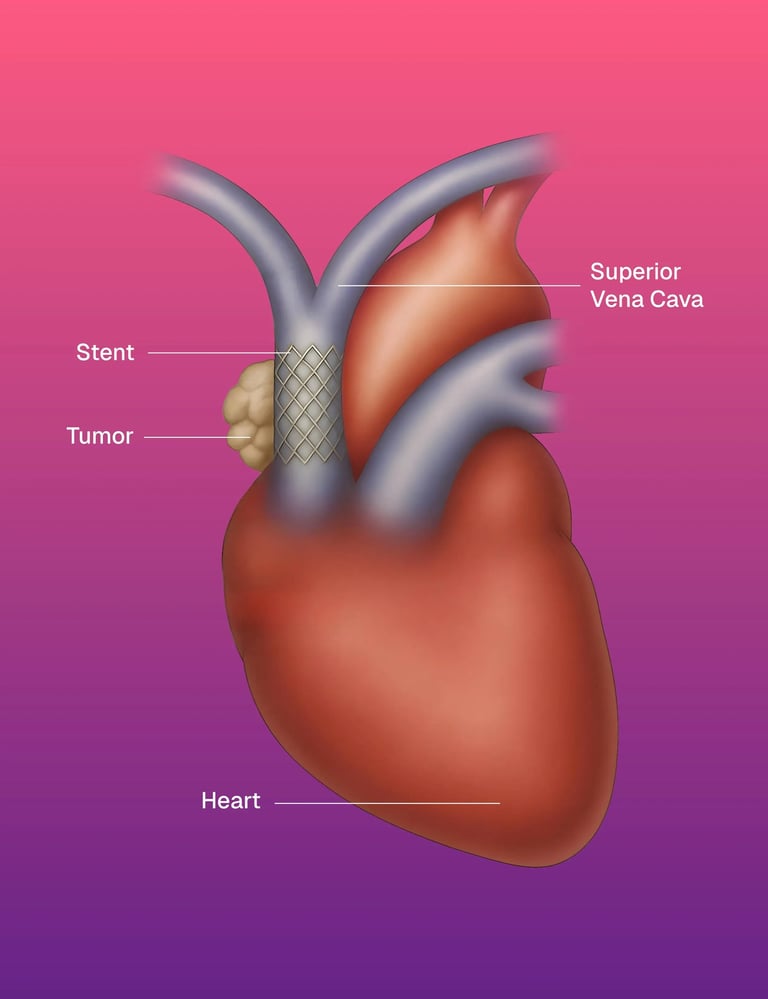
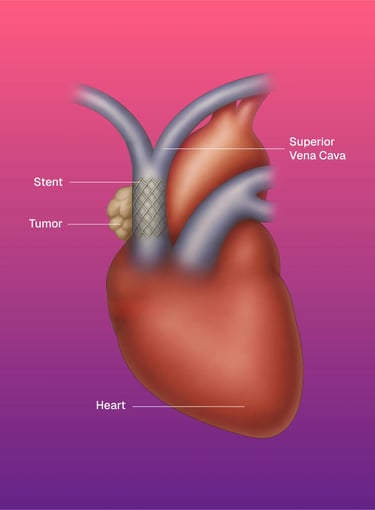
Central venoplasty is a minimally invasive, image-guided procedure used to treat narrowing (stenosis) or blockage of large central veins—such as the subclavian, brachiocephalic, or superior vena cava (SVC).
These veins are essential for returning blood from the arms, head, and upper body to the heart. When narrowed, they can cause significant symptoms. Interventional radiology offers a precise, catheter-based solution—often avoiding surgery.
When Is Central Venoplasty Needed?
Central venoplasty may be recommended for patients with:
Swelling of the face, neck, or upper limbs.
Dialysis access dysfunction due to central venous stenosis.
History of long-term central venous catheters or pacemaker leads.
Superior vena cava (SVC) syndrome.
Venous outflow obstruction affecting vascular access or quality of life.
When Is It Not Suitable?
Central venoplasty may not be appropriate in certain situations, including:
Active bloodstream infection.
Uncorrected bleeding disorders.
Inability to safely access the venous system.
Severe contrast allergy (relative; alternatives may be considered).
Situations where conservative or alternative treatments are more suitable.
Each patient is evaluated individually to ensure safety and benefit.
How Is Central Venoplasty Performed?
The procedure is done under local anaesthesia, often as a day-care treatment.
A small puncture is made, usually in the arm or groin.
Using X-ray guidance, a thin catheter is guided to the narrowed vein.
A balloon is inflated to widen the narrowed segment (venoplasty).
In selected cases, a stent may be placed to keep the vein open.
Blood flow is restored with minimal trauma to surrounding tissues.
Why Choose an Interventional Radiology Approach?
No open surgery.
Minimally invasive and image-guided.
Shorter hospital stays.
Faster recovery.
Effective symptom relief in suitable patients.
In Simple Terms
Central venoplasty helps open up narrowed large veins from within, restoring blood flow using precision and imaging—often quickly, safely, and without surgery.
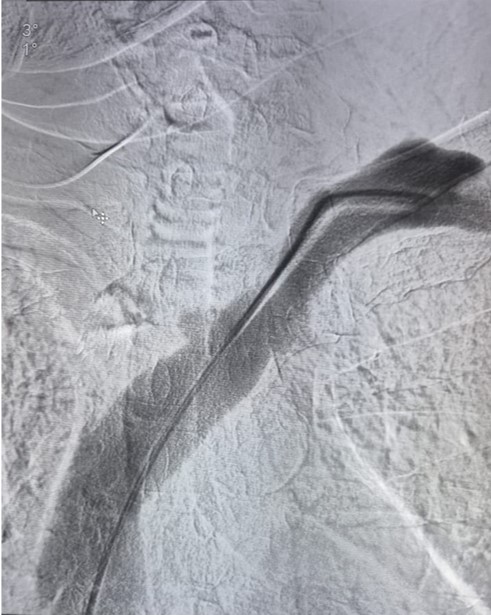
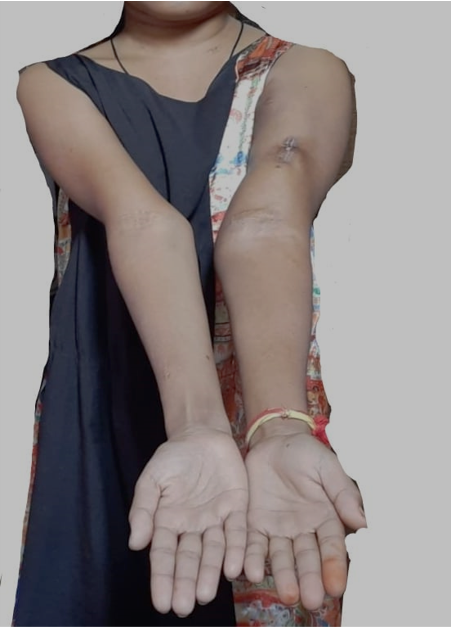
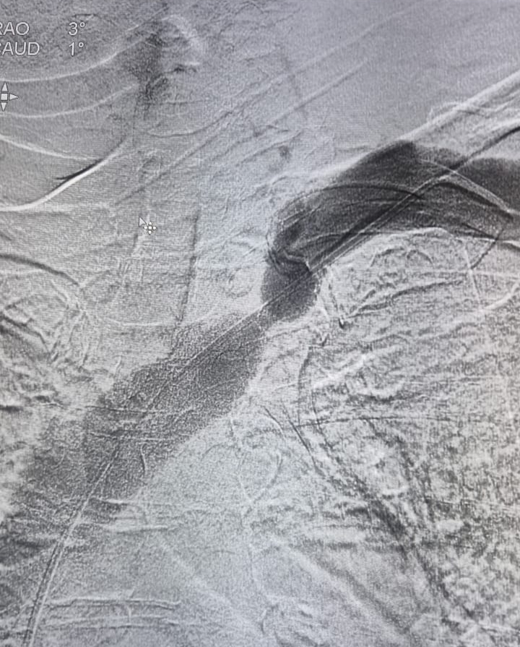
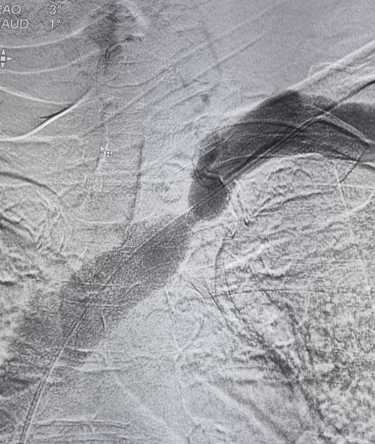
PRE VENOPLASTY
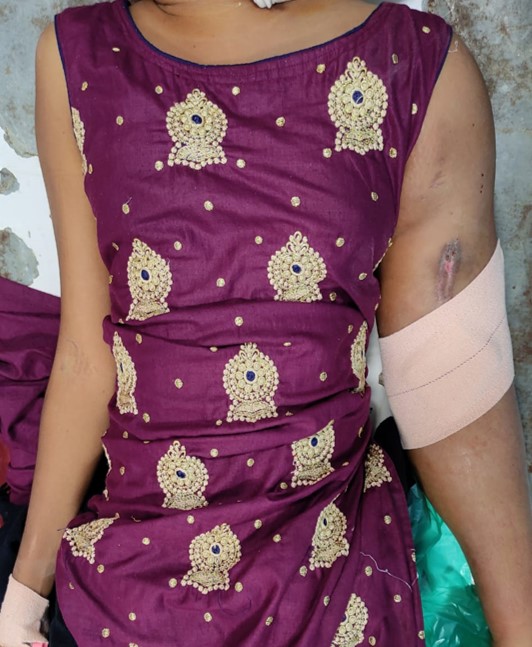
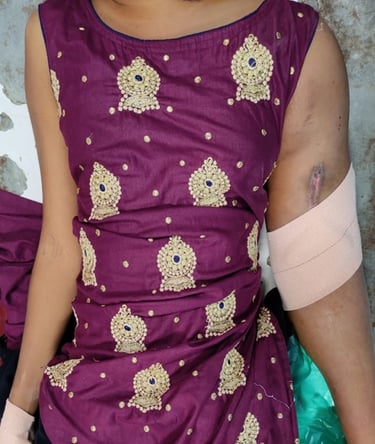
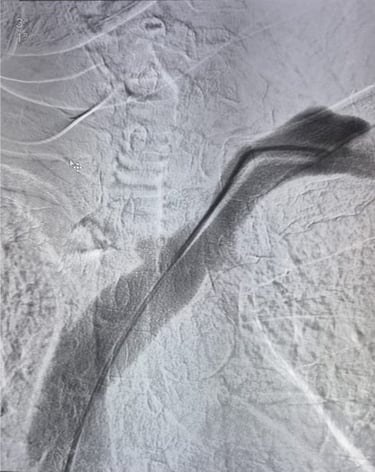
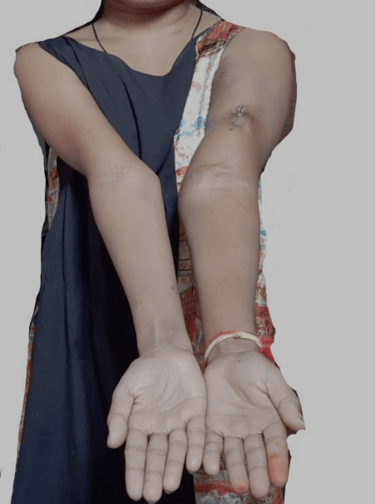
POST VENOPLASTY